Contents
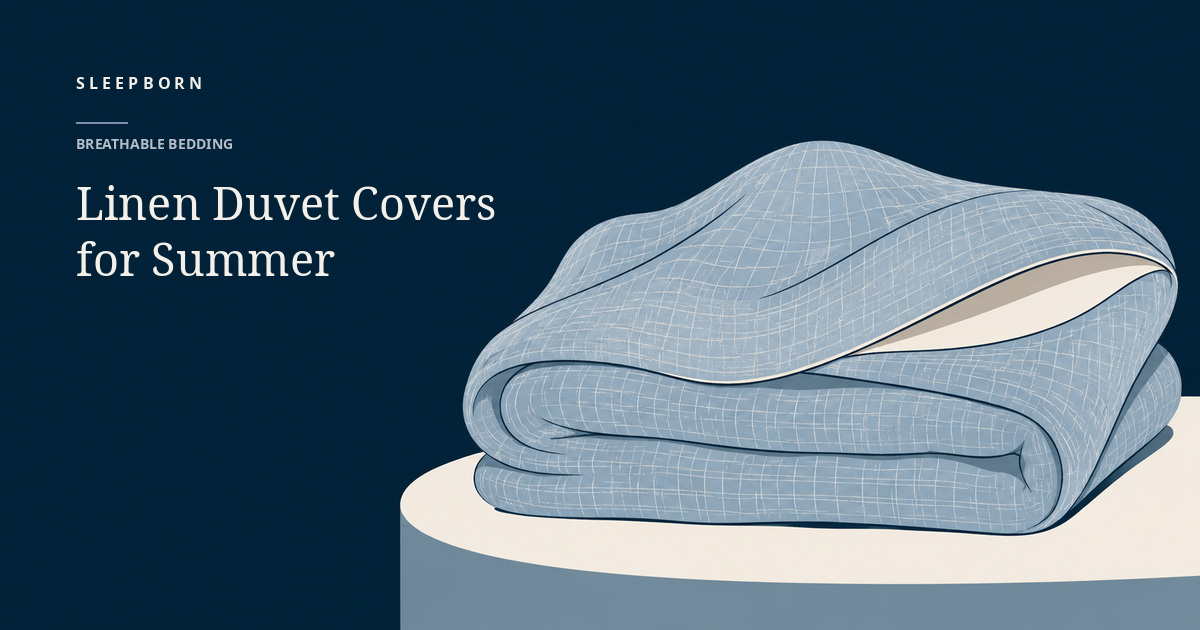
Linen sounds like an obvious summer bedding upgrade. It has a relaxed look, a reputation for breathability and that slightly rumpled texture you see in bedrooms that somehow never look overdone. Then you put a thick duvet insert inside it, wake up hot, and wonder what you actually paid for.
The cover is only one part of what rests over you at night. Its weave and finish affect how it feels against your skin; the insert supplies much of the insulation; and the size and ties determine whether the two behave like one comfortable layer or an untidy bundle. A linen cover can be lovely in warm weather. It cannot make a winter-weight duvet cool.
For a summer linen duvet cover, start with the real fabric and care specifications, then decide how much texture you enjoy. Simple&Opulence is a useful washed-linen starting point, DAPU offers a clearly stated 170 GSM queen construction with a zipper, and TOSMO offers another 100% linen option worth comparing for fabric feel, fit and care. None of those names alone guarantees a cooler night.
Is a Linen Duvet Cover a Good Choice for Summer?
Yes, for many sleepers. Linen made from flax has a distinct feel and can manage moisture without requiring a densely brushed, fuzzy surface. Loose or airy bedding constructions can allow movement of humid air, though breathability is influenced by the finished fabric’s weave and weight rather than the word “linen” alone.
Something gets overlooked when manufacturers describe a cover as cooling: the insert may be doing most of the warming. If you put an insulated all-season or heavyweight insert in a light linen shell, you still have an insulated comforter. That doesn’t make the shell useless, but it changes which purchase deserves attention first.
The other issue is texture. Prewashed linen often starts softer than crisp, minimally finished linen, yet it rarely has the slippery smoothness of sateen. A person who enjoys natural variation may love the fabric. A person who notices every crease or raised fiber may never enjoy it, however many product pages call it luxurious.
Best Linen Duvet Covers Worth Comparing
Considered by Sleepborn
Simple&Opulence Washed French Linen Duvet Cover Set
Best fit
A more accessible introduction to 100% linen with a familiar button closure
What distinguishes it
Washed linen construction, button closure and a queen cover set
Consider before buying
Buttons take longer to fasten and the washed texture will still feel unlike cotton sateen
Buying option
(Paid link) View on Amazon →
DAPU French Linen Duvet Cover Set
Best fit
Buyers who want a documented fabric-weight specification and easier zipper access
What distinguishes it
100% French linen, stated 170 GSM, corner ties and a zipper on the linked queen variant
Consider before buying
A stated GSM is not proof of superior cooling; closures and exact dimensions must match your insert
Buying option
(Paid link) View on Amazon →
TOSMO Pure Linen Duvet Cover Set
Best fit
An alternative linen construction to investigate when other fits or colors do not suit
What distinguishes it
Advertised 100% linen duvet-cover set in queen format
Consider before buying
Check the selected size’s closure, care label and actual materials before buying
Buying option
(Paid link) View on Amazon →
These are linen covers, not duvet inserts. Their job is to surround an insert and provide the outer texture, appearance and washable layer. Confirm the dimensions, closures and washing directions for the exact color and size you choose.
Simple&Opulence: A Washed-Linen Introduction
The queen version uses 100% washed French linen with a button closure. The useful distinction isn’t a dramatic claim that its fibers somehow cool better than everyone else’s. It’s the combination of real linen, a familiar closure and a ready-made cover set, which may be a more approachable way to discover whether you actually enjoy sleeping under this fabric.
Buttons have a practical cost: changing the cover takes more steps than opening a zipper. They can also be easier to repair individually if one fails, although replacement requires matching the fastener. Neither design is universally better; you have to care about the experience of putting the cover on as much as how the finished bed looks.
Pay attention to the exact dimensions, because “queen” is not a universal measurement across duvet brands. If your insert is smaller than the cover, fabric may sag at the edges; if it is larger, the result can bunch and distort. Before purchase, compare inches, not labels.
Best fit: A buyer who wants real linen without making premium branding the deciding factor. Think twice if: You dislike natural creasing or want the fastest possible zipper closure.
(Paid link) View on Amazon →
DAPU: A More Specific Linen Construction
DAPU’s linked queen variant describes French flax linen at 170 GSM, with corner ties and a zipper. That level of specification is useful because fabric weight gives you at least one measurable way to distinguish one linen cover from another. It does not measure airflow, moisture handling or cooling performance by itself.
GSM means grams per square meter. A higher number generally indicates more fabric mass per area; it doesn’t automatically mean greater quality or better comfort. Yarn, weave, finishing and washing all influence feel. DAPU’s stated figure is one piece of the puzzle, not a laboratory ranking against Simple&Opulence.
The zipper may be preferable if changing a duvet cover regularly is your least favorite household task. Corner ties help secure an insert with compatible loops, but they cannot compensate for major size mismatches. The first thing to inspect is still the insert itself and how it attaches.
Best fit: Someone who wants explicitly documented linen weight and a zipper arrangement. Think twice if: You’re assuming a 170 GSM figure proves a cooling advantage or your insert lacks suitable attachment points.
(Paid link) View on Amazon →
TOSMO: A Third Linen Choice Worth Comparing
TOSMO offers a queen-size linen duvet-cover set. Its appeal depends on the texture, closure and fit rather than the brand name alone. Check the details for the size and color you choose, especially if you care about how an insert ties in place or how the fabric feels against your skin.
For this third option, the practical buying question is whether its exact finish, closure and dimensions solve a problem the other two do not. Inspect the current product page and its size chart, then look for verified composition and care instructions. A different color isn’t enough reason to treat two otherwise identical covers as separate discoveries.
Best fit: Someone comparing genuinely different linen finishes, sizes or colorways. Think twice if: The selected offer lacks a clear materials declaration or product-specific care instructions.
(Paid link) View on Amazon →
What Makes One Linen Duvet Cover Feel Different From Another?
Flax fiber is the starting point, not the finished sensation. Yarn thickness, weave density, softening treatments and whether the cloth has been prewashed all influence whether a linen cover feels relatively crisp, coarse, relaxed or supple. A fabric that looks airy in a photograph may still feel substantial on your skin.
Prewashing can change the initial hand feel and reduce some of the dramatic first-wash changes you might otherwise notice. It doesn’t make linen immune to shrinkage or color changes. The relevant comparison is each maker’s actual fabric and care instructions, not an assumed universal percentage of shrinkage.
Closures add a second set of decisions. Zippers save time, but a poorly positioned pull can irritate or snag. Buttons are familiar but take longer. Inner ties only help when the insert has loops or anchor points in compatible positions. The reason to inspect these details isn’t perfectionism. It’s that a beautiful cover can become irritating if every laundry day turns into an awkward wrestling match.
Linen vs. Cotton Percale for Hot Sleepers
Both can be good summer bedding fabrics, but they offer different sensations. Cotton percale usually feels crisper and smoother, while linen has a more textured, relaxed hand. Linen typically develops a lived-in look with wrinkles; percale may wrinkle too, but its finish often looks more tailored.
Neither material deserves a blanket claim of being cooler in every bedroom. Fabric weight, finishing, humidity, sleeping layers and your own tactile preferences all matter. If you dislike textured fibers against bare skin, breathable linen may still be the wrong choice for you. If you hate the starched feeling of fresh percale, washed linen may feel easier to live with.
Sleepborn’s percale-versus-linen sheets guide explores those differences further. Sheets are not duvet covers, but the comparison helps clarify what the same families of fibers can feel like in direct contact with skin.
The Duvet Insert May Matter More Than the Cover
Imagine two beds with the same linen cover. One contains a thin summer insert; the other holds a heavy synthetic all-season comforter. The outer fabric hasn’t changed, yet the insulation has. This is why buying a new cover can leave you disappointed if the warmth was coming from the fill.
A lighter insert, an intentionally thin summer blanket, or even an empty duvet cover may make more sense in very warm conditions, depending on what you find comfortable. An empty cover gives you little insulation but also changes how the fabric drapes and may show the inner seams more readily. There isn’t one right amount of fill for every sleeper.
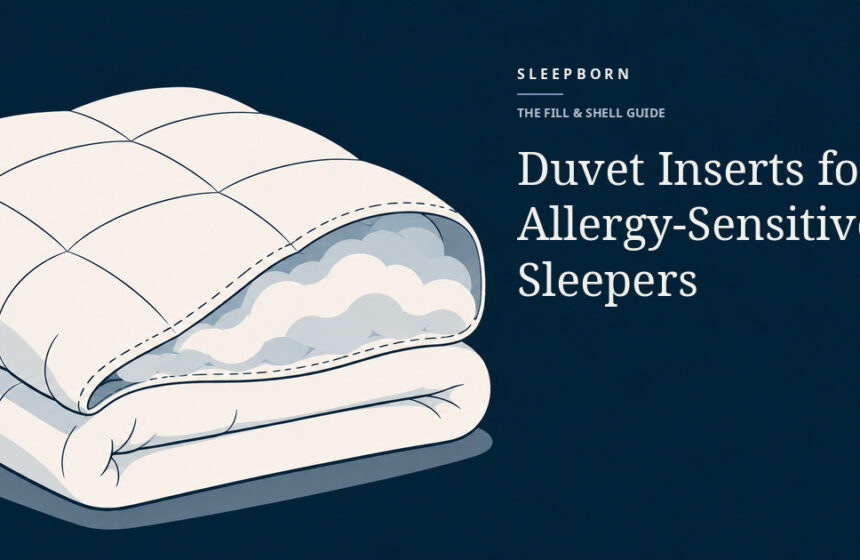
If allergies or cleaning needs also matter, our duvet-insert guide for allergy-sensitive sleepers compares fill, washability and warmth without treating a regular duvet cover as an allergen barrier.
Summer Bedding Compatibility Matrix
Linen + lightweight insert
Good starting point when you enjoy linen texture but still want a little insulation.
Linen + heavyweight insert
A breathable outer cover cannot remove the warmth generated by substantial fill.
Empty linen duvet cover
Least insulating arrangement, though drape and seam feel may differ from an inserted cover.
Percale + lightweight insert
Consider if you want a crisper and smoother surface instead of linen’s texture.
Linen + no direct skin contact
A sheet between you and the cover may make sense if you like the look but dislike the feel.
Texture-sensitive sleeper
Prioritize fabric sensation before claims about summer breathability.
How to Avoid Buying Linen You Won’t Enjoy
Read the fiber composition literally. “Linen look,” “linen feel” and “washed cotton with a linen texture” are not the same as a 100% flax-linen cover. Product titles are not always enough: compare the material specification and the chosen variant.
Next, compare the cover’s measurements to your existing insert. Look for attachment points, corner ties and closures. Check what the set includes, because a three-piece set usually counts the cover and pillowcases; it does not mean a duvet insert comes included.
Finally, think about the everyday details that don’t appear in aspirational bedroom photos: whether you want to iron, how you feel about wrinkles, which colors reveal fading or pet hair, the effort of fitting the cover, and the return conditions for washed bedding. A good buy is the one you will still enjoy when the bed is unmade.
How to Care for a Linen Duvet Cover
Follow the sewn-in care label for your specific cover. Linen fibers can tolerate washing, but color, seams, fasteners and finishes impose product-specific constraints. Do not assume a high temperature is suitable or that every washed-linen set can go into a hot dryer.
Close zippers or fasten buttons as instructed, use a suitable gentle detergent and avoid overloading the washer. Dry the cover as the manufacturer directs; excessive heat can increase wrinkling or unwanted dimensional change. Measure the fabric again after the first wash if fit is tight.
Linen softening over time is often part of its appeal, but it doesn’t mean every rough-textured cover will eventually feel like sateen. If you strongly dislike its initial character, don’t purchase solely on a promise that future washing will transform it.
Frequently Asked Questions
Is linen better than cotton for a summer duvet cover?
Not universally. Linen offers a textured, relaxed feel; cotton percale is often crisper and smoother. Construction, insert weight and personal preference decide which is more comfortable.
Does a linen duvet cover get softer after washing?
Many soften with use and laundering, but the degree depends on the original fabric and finishing. A cover’s initial texture remains important.
Can I use linen duvet covers year-round?
Yes, if you like the feel. Change the insert warmth and other layers to suit the season instead of expecting the cover alone to determine insulation.
Can I sleep under a linen duvet cover without an insert?
Yes. It can function as a light layer, although the drape, seam feel and appearance will differ from using it with an insert.
Does 170 GSM mean a linen duvet is cooler?
No. GSM measures fabric mass per area, not cooling. Weave, finishing, insulation and the sleeping environment also matter.
Do linen duvet-cover sets include the comforter?
Usually not. Confirm what the listing includes. A cover set often contains the cover and pillowcases, while the insert is a separate purchase.
Choose the Layer, Not Just the Label
A summer duvet cover should work with the insert you own, the texture you enjoy and the laundry routine you can live with. Simple&Opulence and DAPU differ in closure and fabric specifications; TOSMO gives you another linen option to compare for fit, texture and care.
If you’re still warm under a heavy insert, changing only the cover may be the wrong first purchase. And if you’re comfortable thermally but dislike roughness and wrinkles, a linen cover may not improve your bed at all. Knowing which part of the sleeping experience you’re actually changing is more useful than being persuaded by another photograph of beautifully rumpled linen.


0 Comments
Questions, corrections, and useful additions are welcome.